





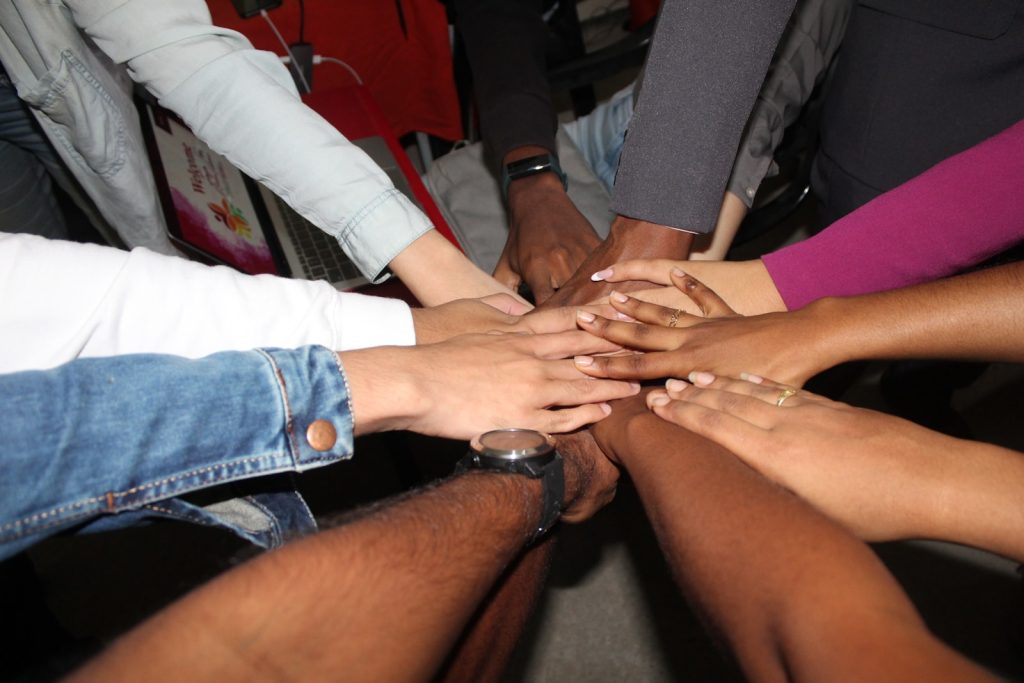

Recognition across cultures is a critical challenge for managers leading multicultural teams. Balancing different cultural backgrounds with limited resources can be difficult. You may find yourself asking tough questions: How can I treat my team equally? How can I ensure everyone feels seen, heard, and valued regardless of background? Should I lean toward an individualist or a collectivist cultural approach?
These questions are valid—and common. The good news is that you don’t have to choose one culture over the other. Understanding how both approaches work allows you to recognize employees in ways that support belonging across your entire team.
Recognition as a Driver of Belonging
Recognition is not just a “nice to have.” It is a powerful and measurable driver of belonging. Research shows that employees who were recognized in the past week are twice as likely to report a strong sense of belonging (49% vs. 26%).
Additional insights reveal that:
- Only 11% of employees who are never recognized report a strong sense of belonging
- Recognition effectiveness varies by type (peer, manager, organizational)
- Public recognition matters more for individualist cultures
- Private acknowledgment matters more for collectivist cultures
Clearly, recognition does not have a one-size-fits-all impact. Its effectiveness depends on cultural context.
Recognition in Individualist Environments
In individualist cultures, psychological safety is supported by:
- Open communication and transparency
- Individual accountability for learning
- Direct and candid feedback, even when uncomfortable
- Encouragement to voice opinions and challenge norms
- Rewards for personal initiative and autonomy
Risk factor:
Overly individualized performance metrics can foster blame and erode psychological safety if mistakes are not treated as learning opportunities.
Leadership approach:
- Support autonomy and independent thinking
- Encourage candid feedback across hierarchy levels
- Normalize learning from failure
- Reward constructive challenge and dissent
- Create forums for individual voice and idea-sharing
Recognition in Collectivist Environments
In collectivist cultures, psychological safety is supported by:
- Group support and mutual care
- Shared responsibility for outcomes
- Emphasis on harmony and relationship preservation
- Participatory decision-making
- A strong sense of belonging to an organizational “family”
Risk factor:
Pressure for harmony or deference to authority may prevent employees from raising concerns or challenging existing processes.
Leadership approach:
- Promote inclusive dialogue and consensus-seeking
- Provide anonymous feedback channels, especially in hierarchical settings
- Train leaders to manage dissent constructively
- Frame improvement as a collective benefit rather than individual criticism
- Build employee networks and support systems
- Celebrate group achievements and interdependence
Bringing Both Cultures Together
Once you understand the strengths and risks of each cultural approach, reflection becomes essential. Ask yourself whether your leadership style leans too heavily toward one model.
The most effective leaders do not choose between individualism and collectivism. They blend recognition practices from both, ensuring that every employee—regardless of cultural background—feels recognized, supported, and valued.