






We often hear the word trauma, or childhood wounds. Childhood trauma has become part of everyday conversation, from therapy rooms to social media. With a mixed reaction towards this trend, either person tends to celebrate it as a sign of acceptance and growth; others tend to minimize it and doubt its authenticity. Before we also jump into a conclusion lets considered that until the 1980s, psychological trauma was often associated with war veterans and people who had experienced extreme events. Over time, research started to change this perspective. We began to understand that difficult experiences are not limited to a small group of people and that their effects are not always visible. Both reactions hold a sense of truth, we are more accepting, and more people linger in their .past. It’s a dilemma, which issue would you rather have, traumatized people struggling in silence or spending more mental effort to understand who has really been traumatized.
Why Exploring The Past Matters?
Let’s explore and understand the nuances together. It’s important to understand why childhood trauma is so popular. One of the reasons is that not all difficult experiences have the same impact. An experience that happens during childhood can affect us differently from one that happens during adulthood. The reason is not simply that children are more vulnerable, but that they are still developing their understanding of themselves and the world around them.
Experiencing a threat is never a pleasant experience, regardless of our age. However, there is a difference between experiencing something difficult as an adult and experiencing it as a child. As adults, we have already developed a certain understanding of who we are, what we believe in and how the world works. We have experiences that help us compare situations, question our thoughts and find ways to cope with difficulties.
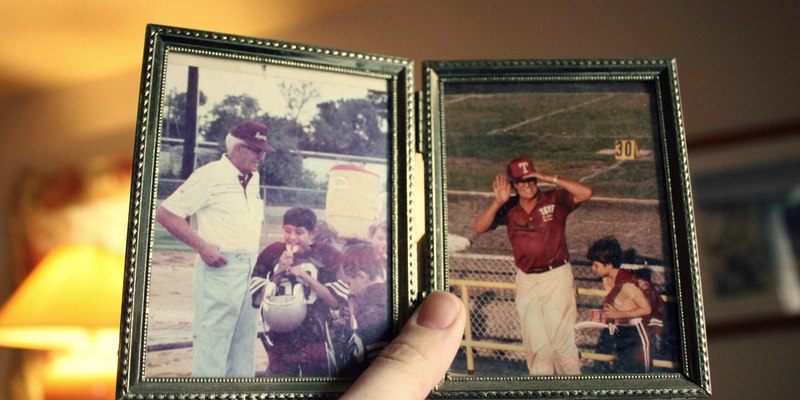
Children do not have the same resources. They depend on their environment and the people around them to understand what is happening. Their experiences help shape their beliefs about relationships, safety, trust and even their own value.
For example, a client was sharing that his parents had high expectations and criticized him on many different occasions. As a child, he internalized their voices and truly believed it. That led him to develop a strong inner critic, which motivated him to work hard but never to be satisfied with his work and thus created a vicious cycle.
These beliefs, such as the inner critic, are not necessarily the result of conscious decisions. They are ways of understanding and adapting to the environment in which the child grows up.
The most important idea I am trying to communicate with my clients is that those beliefs and effects of our childhood can follow us into adulthood. Even when our circumstances change, we may continue to react as if we are still living in the same environment. We may struggle to trust others, feel uncomfortable expressing our needs, or constantly seek approval without fully understanding why. That connection makes the exploration of the past an important component of therapy. In other words, exploring the past isn’t for the sake of exploration itself, it’s about understanding the present.

Different Types of Adverse Childhood Experiences:
Adverse childhood experiences (ACEs) refer to potentially harmful experiences that occur before the age of 18. They include physical, emotional and sexual abuse, exposure to domestic violence, family instability, substance misuse within the household and other difficult circumstances.
However, one experience that deserves particular attention is neglect. Usually when I have a client who has experienced neglect, they minimize it by saying ‘at least no one was bothering me or I didn’t experience abuse, just silence’. It’s quite difficult to understand the effect of silence. During one therapy session, my client remembered her birthday from her childhood and no adult paid particular attention, his parents totally forgot it happened. They were occupied with their own issues and concerns. However, the inner experience of the client was heartbreaking for her, it registered in her mind that she isn’t worthy of affection and love, which affected her romantic choices when she became an adult.
So, emotional neglect can occur when a child’s emotional needs are consistently overlooked. A child may have food, shelter and access to education, but still lack affection, emotional support or someone who takes the time to understand them.
This can be difficult to recognize because there may not be a specific event to remember. Instead, the child grows up without certain experiences that help them feel valued and emotionally safe. Additionally, vague memory creates a difficult challenge as well within therapy. How are you supposed to process what you cannot remember? A lot of my clients feel demoralized by the dream-like perception they have of their past.
As adults, these individuals may struggle to identify their own needs, feel uncomfortable receiving affection, or believe that they must deal with everything on their own. Sometimes, what affects us is not only what happened during childhood, but also what we needed and did not receive.

Why Is It Important to Understand Our Past?
A friend once asked me if I am professionally giving space for people to vent about their father and mother half-jokingly and in a half serious tone. To answer him and also a common question by people; understanding our childhood experiences is not about blaming our parents or finding an explanation for every problem we face. It is about becoming more aware of the way our past influences our present.
First, it helps us recognize patterns. We may start understanding why certain situations trigger strong emotional reactions or why we repeatedly find ourselves in similar relationships.
Second, it gives us the opportunity to question our beliefs. Something we learned to believe about ourselves as children may no longer reflect who we are today. Just because we once felt that we were not good enough does not mean that this is true.
Finally, it allows us to process experiences that may still affect us. We cannot change what happened, but we can change how we understand it and how we respond to similar situations today.
If a therapist just allows you to endlessly complain about your childhood, without process or reflection and it’s more of a venting session. That’s a negative sign on his/her part.

Three tips for Working Through Childhood Adversity
I would like to share a few tips that I have seen be effective to a range of individuals, from people pleasing tendencies to isolation and emotional dysregulation.
1. Consider Working With A Professional.
It might sound obvious, but in the time of rigid self-improvement and AI. Exploring difficult childhood experiences can bring up emotions that are not always easy to manage alone. A mental health professional or a wellness coach can help you understand your experiences, recognize patterns, and work towards changing beliefs and behaviors that no longer serve you.
2. Take It One Step At A Time.
There is a line between being challenged and being overwhelmed. With my clients we have that line in mine when we explore the past or plan activities. In other words, you do not need to explore everything at once. Start by noticing a recurring reaction, a belief you hold about yourself or a situation that consistently causes you difficulty. Give yourself time to understand what you discover instead of trying to solve everything immediately.
3. Leave Room For Growth.
I would like to make clear that experiencing trauma is not necessary for personal growth, and suffering should never be romanticized. However, working through difficult experiences can help us develop a better understanding of ourselves, establish healthier boundaries, and reconsider what we want from our lives. The goal is not to find something good about what happened, but to recognize what we can do with our experiences moving forward. For example, at the end of our last session with a cancer patient, she told me that she would never share it with anyone, but thought that the overall experience made her realize how strong and resilient she really is.
Our past is part of our story, but it does not have to determine how the rest of that story unfolds. Understanding where our beliefs and behaviours come from is a first step towards deciding which ones we want to keep and which ones we are ready to change.
Five Reflective Questions To Take With You
- What have I carried with me from my childhood into my adult life?
- Which beliefs about myself or others did I develop through my past experiences?
- Are there parts of myself or behaviors that I use to protect myself? What are they trying to protect me from?
- Which patterns no longer serve me, and what would I like to change?
- What would I do differently today if I no longer felt the need to protect myself in the same way?