





What HR Gets Wrong About Belonging
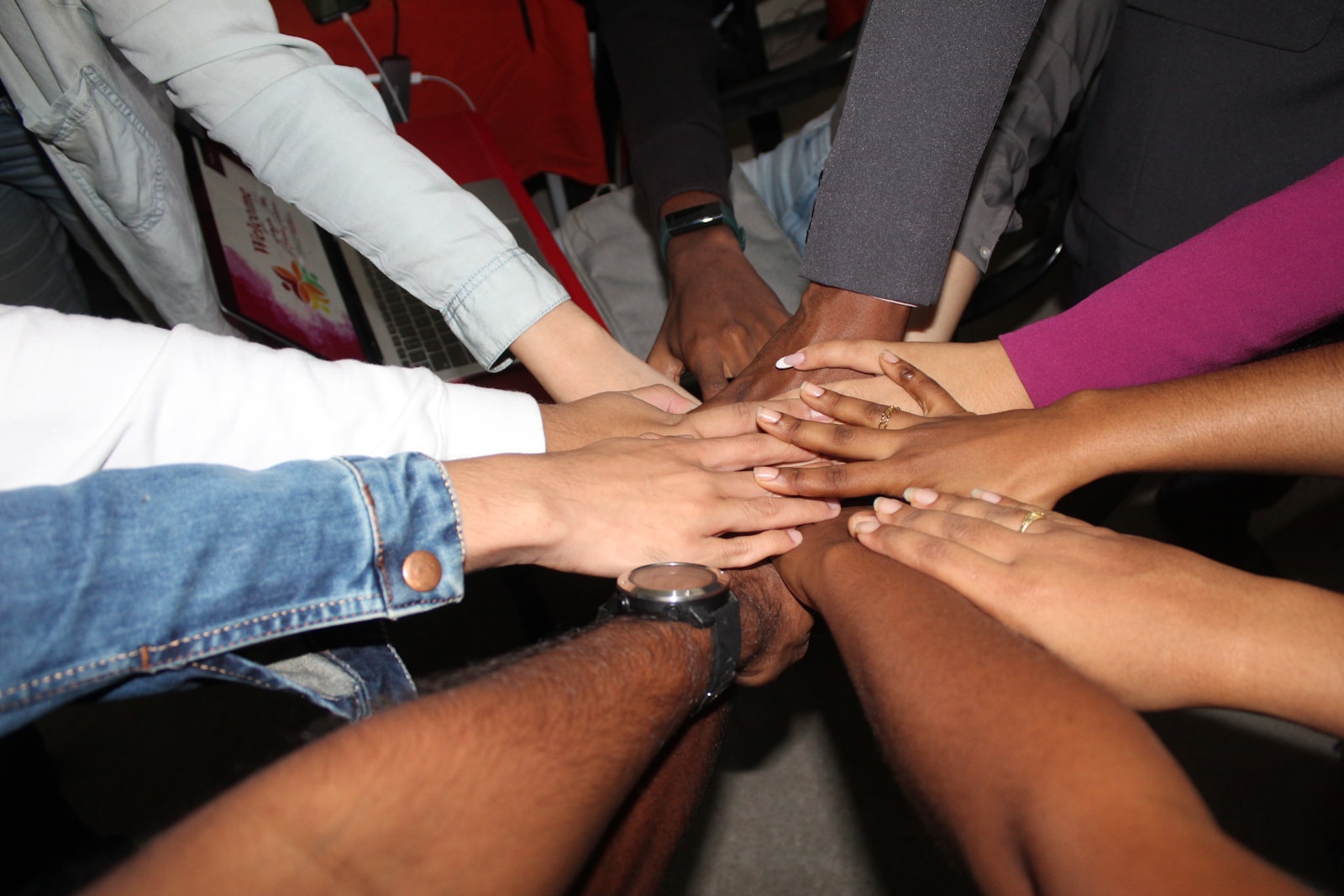
Belonging is a key psychological factor in maintaining good mental health. It is what makes people feel welcomed, accepted, and valued. Research shows that a strong sense of belonging within social groups is associated with higher motivation, better mental health, increased resilience, and improved physical well-being.
Yet in a world increasingly fixated on division, where companies like Amazon and Target have begun scaling back or shutting down DEI programs, it becomes easier to understand why many HR and leadership teams struggle to foster a true sense of belonging.
The line has become blurred. Diversity in the workplace, once widely celebrated, is now viewed by some as a liability rather than a strength. Differences are no longer valued, cultures are insufficiently honored, and unique perspectives are drowned out. In some cases, diversity teams themselves become scapegoats when companies face financial or operational challenges.
As a result, organizations develop deeply flawed ideas about what belonging actually means.
People are no longer excited about going to work. Many recognize that their differences may now be perceived as a threat, so they carefully limit how much of themselves they reveal. Conformity becomes the unspoken rule.
But humanity is not a box. And no matter how much workplaces try to restrict expression, this problem will eventually need to be addressed.
How to Fix the Problem of Belonging
The first step toward restoring a sense of belonging is identifying the real problem. When organizations face challenges such as declining profits or internal disruption, blame should not automatically fall on diversity initiatives or teams.
Instead, leadership must take responsibility for investigating the actual causes. Different perspectives are not what harm businesses. In fact, encouraging diversity often strengthens belonging by helping people feel safe sharing their cultural backgrounds. When individuals feel comfortable being themselves, teams are better able to recognize shared values while also respecting differences.
Properly identifying root causes also ensures that those working in diversity or inclusion roles are not unfairly blamed when things go wrong.
From Reassurance to Real Action
Once the real problem has been identified, follow-through becomes essential. Simply reassuring employees that they will not be penalized for their differences is not enough.
People need environments where they can safely exist as themselves. They want to feel seen, heard, and valued. To achieve this, organizations must implement tangible workplace practices that actively support belonging.
This can include offering wellness workshops, acknowledging and celebrating cultural holidays, encouraging open dialogue, and practicing intentional listening. Most importantly, workplaces must become spaces where every individual feels their presence genuinely matters.
Because, again, humanity is not a box. People want to share. And people want to connect even more.