




Burnout is an extremely important aspect when it comes to evaluating well-being. It causes individuals to feel unmotivated. Burnout impacts relationships, mental health, physical health, work performance etc., and it can be difficult to recognize. That’s why those in HR and leadership positions must be equipped with the resources necessary to tackle employee/workforce burnout. They need to be able to recognize the signs of burnout before it becomes attrition, employees walking out the door because they weren’t properly guided through the obstacle of burnout.
Recognizing Burnout
There are several ways for individuals in HR and leadership to identify employee burnout. One way is by evaluating performance and following through. Meaning, instead of just giving employees a score for their performance, go beyond and ask how they are mentally. Were deadlines met on time? Was the quality of work the same? If not, then try talking through the performance with the employee instead of just handing out some score. It is very possible they could be experiencing burnout.
Another way to recognize employee burnout is by monitoring employee engagement throughout the workplace. Are the teams communicating? Does it suddenly feel like the employees have adopted more negative attitudes? Are new ideas still floating around? Keeping track of engagements like these is key in identifying burnout. If you do notice that overall engagement seems to be down, then try employee wellness solutions such as conducting workforce surveys to identify certain problems or introduce workshops/events that talk about mental health.
Make a Difference
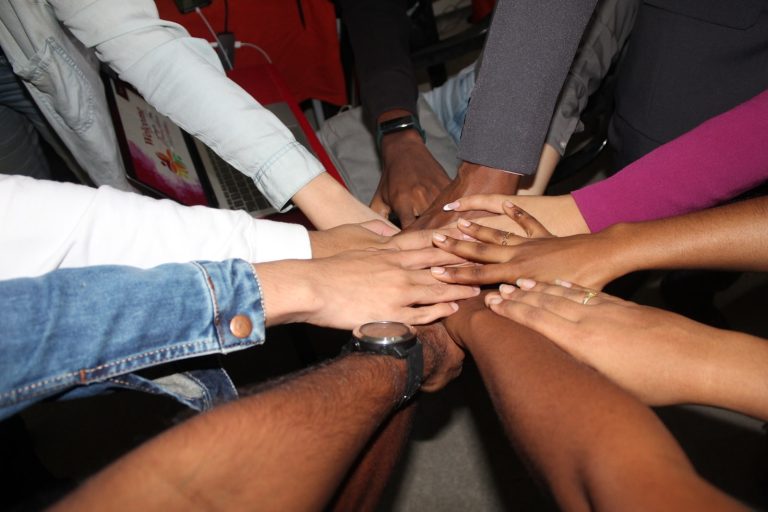
It’s important to recognize burnout not only for the company’s sake, but for everyone’s sake as well. By recognizing it, acknowledging it, and guiding those through it you automatically make a difference. You show those experiencing burnout that there are people who can help. And being pillars of support are something we should always aspire to be.